
The Career Inside Your Passport

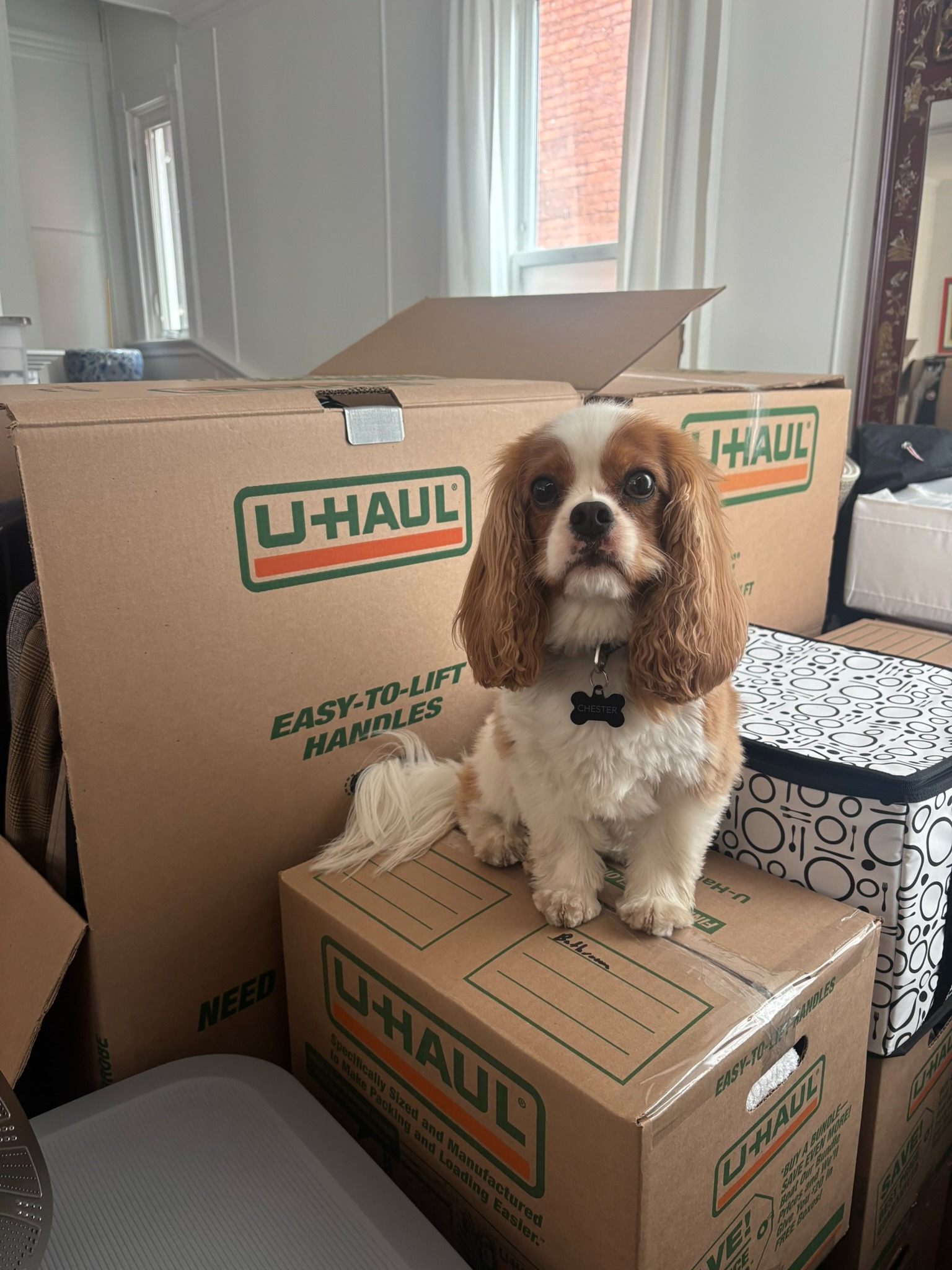
No matter how much you plan, it always starts the same way: the smell of cardboard and boxes stacked against blank walls, your phone filled with contacts you can’t call from your new local number, and your brain still calibrated to the city you left forty-eight hours ago.
Every Foreign Service Eligible Family Member (EFM) and MilSpouse knows this routine all too well. It’s the summer move, the PCS (permanent change of station).
You find yourself caught between jet-lagged exhaustion and excitement-filled adrenaline, Googling the nearest grocery store in a language you’re still struggling to learn and wondering when this place will start to feel like home.
In the middle of all this upheaval, you still want to work and maintain your career. Easier said than done. Clients don’t pause for time-zone transitions. Deadlines don’t extend just because your router sits in a box marked “FRAGILE.”
The world goes on despite feeling like you’re suspended in time, and it can feel like your career gets left behind with the welcome kit every time you leave a post if you let it.
I have a different take, a perspective on how being an EFM and military spouse can positively impact your career.
Through multiple postings across several countries, I’ve realized that this life doesn’t derail a career; it reshapes it. Every move, reset, and reinvention is on-the-ground training for how to build a successful business and career. If you embrace it, EFM life becomes an unintentional masterclass in resilience, adaptability, and personal branding regardless of the location on your travel orders.
The Reset Is the Skill
Each move forces you to reset. You are starting over in a new city, with new friends, new schools, unfamiliar systems, and the realization that you need to rebuild all of your daily routines. You left behind the trusted handyman, the reliable babysitter, and your favorite cafe. But after the first time, you know how to build it back.
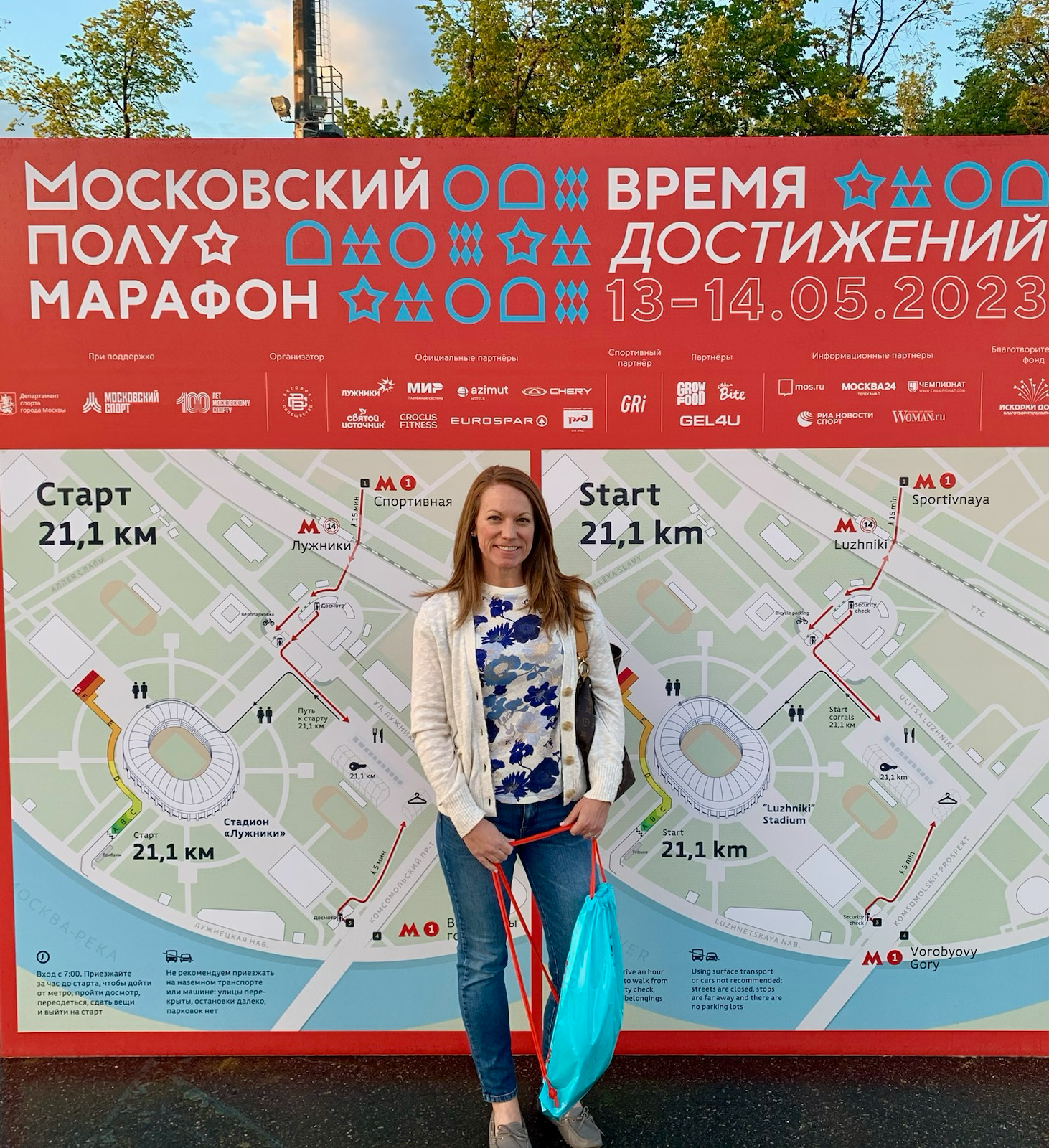
For me, the reset is finding my new running route. From Garmisch to Moscow, and everywhere in between, I’ve learned that this is how I rebuild my daily routine. With a goal of running a race in every new location, I start learning my new city and culture, one mile at a time, often making friends along the way.
Almost every professional faces a rebuilding of some kind, whether it’s joining a new firm, navigating leadership change, or redefining a role. However, most people only encounter these transitions a handful of times throughout their careers.
As EFMs we do it every few years. Over time, reinvention stops feeling scary and starts becoming familiar, sometimes even comforting. With the right perspective, this muscle for “starting fresh” is a competitive advantage most professionals work hard to develop. They invest time and money in learning this skill through professional development courses, private career coaching, and leadership books. Sometimes, they learn the hard way after being laid off. For EFMs, starting fresh isn’t a crisis or a skill that needs to be taught; it’s just part of the adventure. Your ability to contribute personally and professionally doesn’t disappear when your surroundings change. You know that routines return, new relationships can be built, and community can be recreated.
Adapt Without Panic
Life as an EFM has taught you that even the best laid plans are often temporary. You wait years for a dream posting to find out it’s been reassigned. A medical clearance gets delayed and you miss the start of the school year. Just as you start to feel settled into your new life, something changes.
But after a move or two, these disruptions stop feeling exceptional. They are part of how you move through the world. When you accept that, you learn how to be more flexible, how to make progress without certainty, timelines, or step-by-step instructions. You learn to make decisions with incomplete information, adjust expectations quickly, and keep moving forward without losing momentum.
Like most EFMs I’ve experienced this firsthand. Prior to our fourth move, I had worked with my employer to ensure that there were no issues working remotely from our next posting. At the last minute, we found out that leadership declined the request. Rather than walking away, I negotiated an alternative arrangement that allowed me to transition into a freelance role with the same company. That pivot, born out of necessity, ended up reshaping my entire career path.
This instinct—to adapt instead of panic—is not a trait we were born with but rather a technique we developed out of necessity. For our teams, managers, and clients, it is also an asset that can save a project. If a client walks away or a company initiative fails, some would panic or spiral. EFMs do neither. Having already navigated the professional equivalent of a last-minute reassignment, we assess the situation quickly, adjust the plan, and move the project forward.
Show Up, Connect, Lead
EFMs hone a talent that rarely appears on a resume but becomes obvious in practice—the ability to walk into unfamiliar environments and build meaningful relationships quickly. Even more impressive is that you are often doing this in a language you’re still learning, within a culture you’re still trying to understand, and without the comfort of shared history.
The frequent moves and constant transitions have taught you how to quickly read people. This talent becomes an invaluable asset for building your professional network and client relationships. Many small business owners struggle to establish trust quickly, but for an EFM, it is a way of life, and your curiosity about others helps establish real connections. It’s consistency, warmth, and showing up for others that create a solid foundation for life at your new post.
These same principles pay dividends in the modern workplace. We see more distributed teams, global organizations, and remote workplaces that all depend on individuals who can create trust across distance, cultures, and time zones. If you can build a community from scratch every few years, you can lead through uncertainty, strengthen teams, and create connections even when a shared location is missing.
Your Value Travels With You
It’s not always easy to recognize how much value the constant transition adds to your professional life. In the early years, many EFMs quietly believe their “real” career exists somewhere else, paused in the city they left behind. We start to associate professional identity with geography, as though our credibility only exists in one office and in one network.
But if you take away one lesson from this article, let it be this: your value is not tied to a location.
With the right framing and work samples to back it up, employers and clients see the value you provide. And when they hire you, you don’t need an extended training period or a detailed roadmap to get started. You know how to assess the environment quickly, identify what needs to happen, and get to work. We do it at every post, with every new job, in each community we join.
Own Your Advantage
The EFM experience does more than build character; it builds capability. Every posting, every reset, and every moment of figuring it out under pressure helps develop the type of professional that most organizations spend years training and most entrepreneurs spend years trying to become. You already are that person.
Every passport stamp is proof of what you are capable of. The ability to start fresh without losing momentum, adapt without panic, build trust across cultures, and deliver results without a roadmap are byproducts of a life well traveled. They are also the foundation of a resilient business and a career that travels with you, regardless of where the next set of orders takes you.
We would love to hear how your EFM experience has shaped your career. Learn more about our community at lvlupstrategies.com and follow us on Instagram at @lvlup.strategies for a behind-the-scenes look at how a fully remote and asynchronous company comprised of Foreign Service EFMs and MilSpouses runs with a global outlook.


.png)


